Accuracy Under Fire: Military Lessons for IT
How WWII Front-Line Mapping Precision Shapes Modern IT Project Estimation
The same military-grade precision that guided artillery fire and saved lives in WWII now drives Digital Polygraph's approach to IT project estimation. When accuracy matters most, experience and precision become the difference between success and failure.
The Standard of Excellence:
100 meters in 14 seconds — in boots, gas mask, and full military gear. This wasn't just physical fitness; it was the embodiment of precision under pressure that Lieutenant Colonel Eugene Maksyutenko brought to every military operation and topographic mission.
In the world of software development, we often talk about accuracy and precision. But rarely do we encounter standards forged under life-or-death conditions. My grandfather, Lieutenant Colonel Eugene Ivanovich Maksyutenko (1902-1976), set such standards as a military topographer whose maps guided artillery fire and whose precision saved countless lives during WWII.
The Foundation: Ukrainian Precision Meets Military Excellence
Born in 1902, Eugene Maksyutenko completed his land surveying education in Odesa before joining the military. For him, land wasn't just terrain—it was a living system requiring precise understanding and meticulous documentation.

Lieutenant Colonel Eugene Maksyutenko: Setting the standard for professional excellence
His commitment to excellence extended beyond technical skills. He independently enrolled in calligraphy courses because he understood that clear communication could mean the difference between mission success and catastrophic failure. His documents looked like engravings—a discipline that modern IT professionals would recognize as the difference between clean, maintainable code and technical debt.
Far Eastern Training: Forging Excellence Under Extreme Conditions
Until September 1944, Lieutenant Colonel Maksyutenko served on the Soviet-Japanese border, where his unit underwent training equivalent to modern special forces operations:
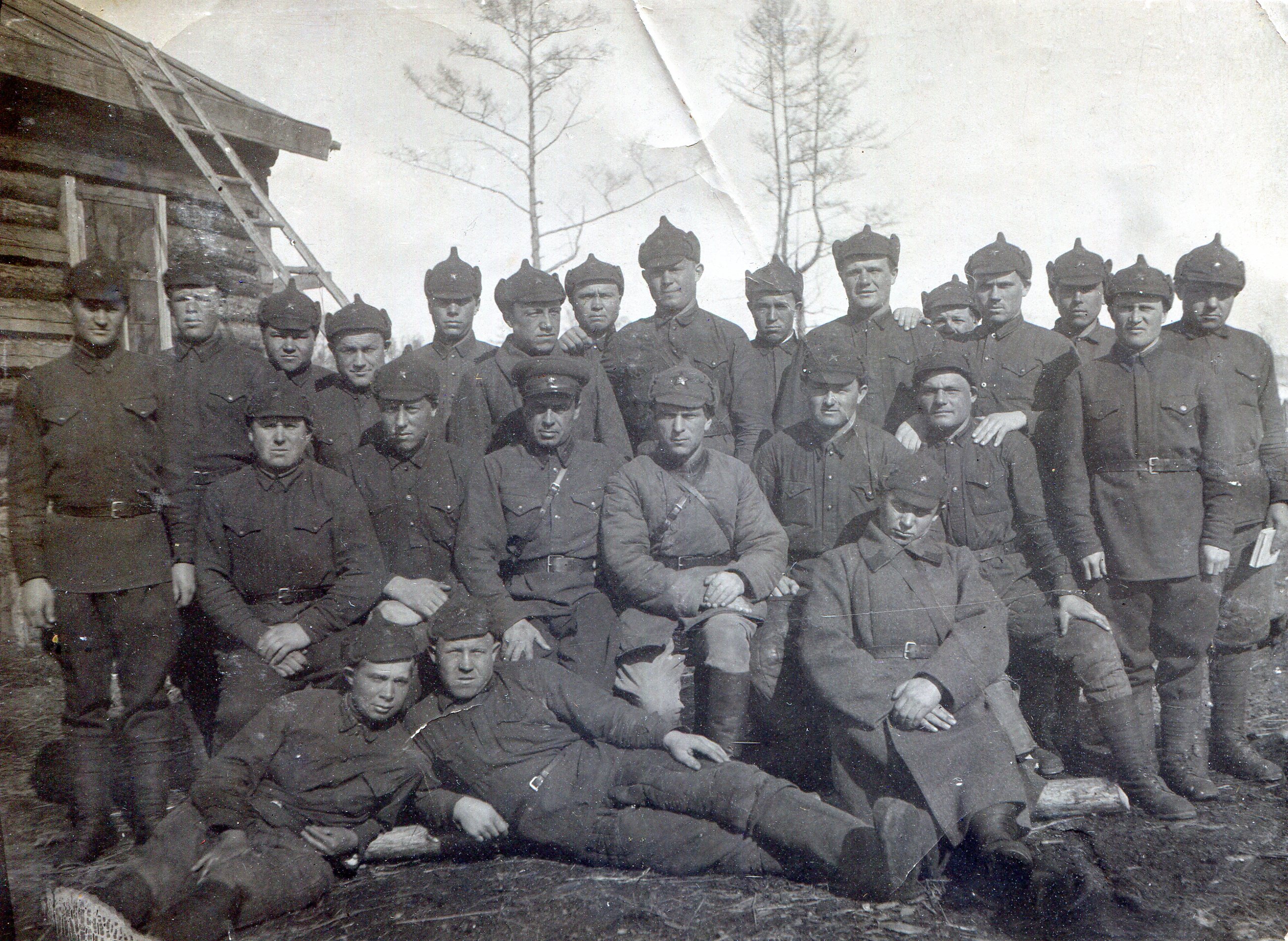
Topographic unit in the Soviet Far East, 1930s.
Commander Maksyutenko (center) with his precision mapping team.
-
Autonomous Operations:
Three-month expeditions in −40°C temperatures without communication support, mapping the strategic Khabarovsk-Vladivostok highway route.
Modern equivalent: Managing complex IT projects with remote teams, tight deadlines, and minimal oversight—where precise planning and execution become critical success factors.
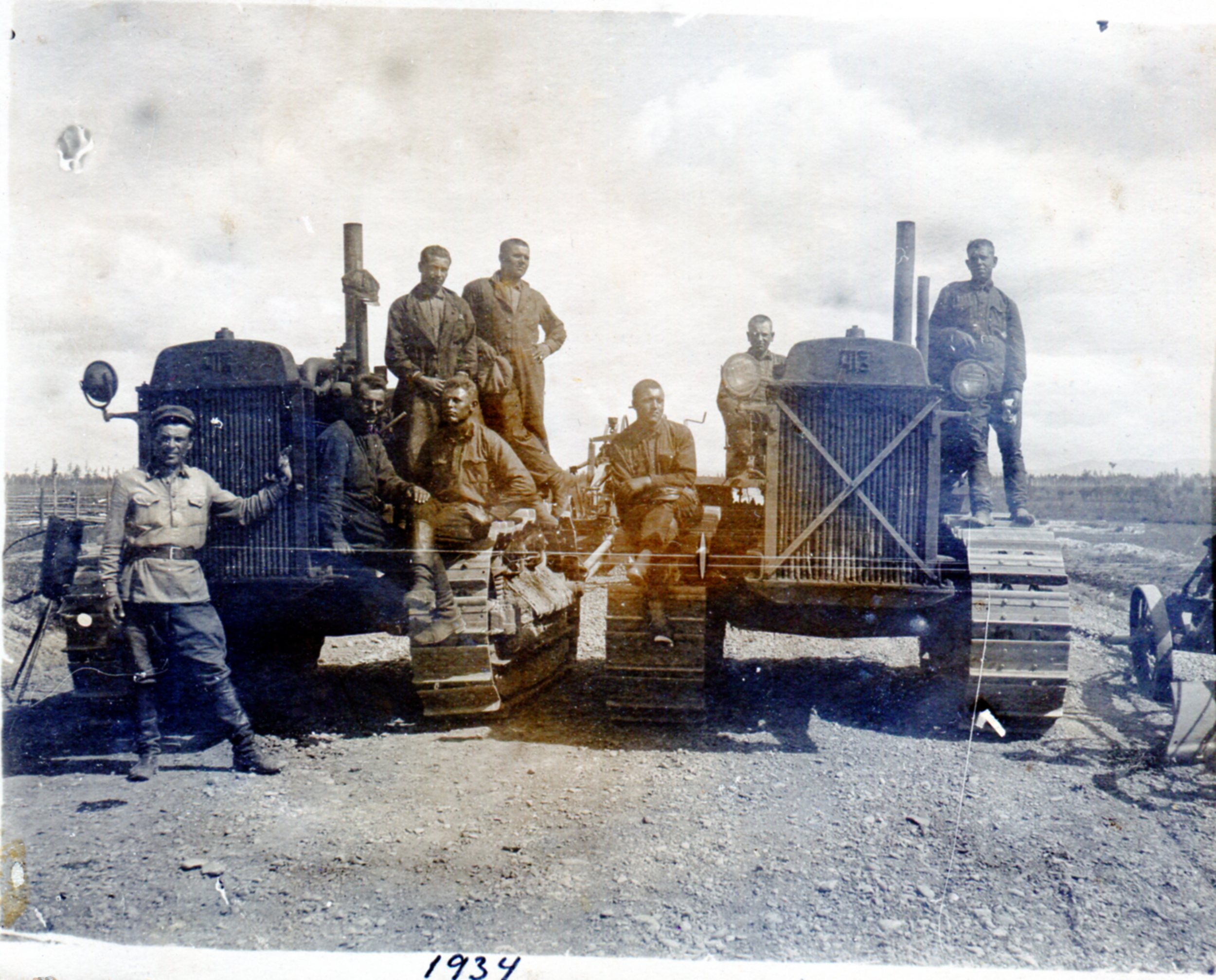
1934: Infrastructure development requiring absolute precision
-
Artillery Fire Direction:
Real-time battlefield coordination during conflicts with Japanese forces—where calculation errors meant casualties.
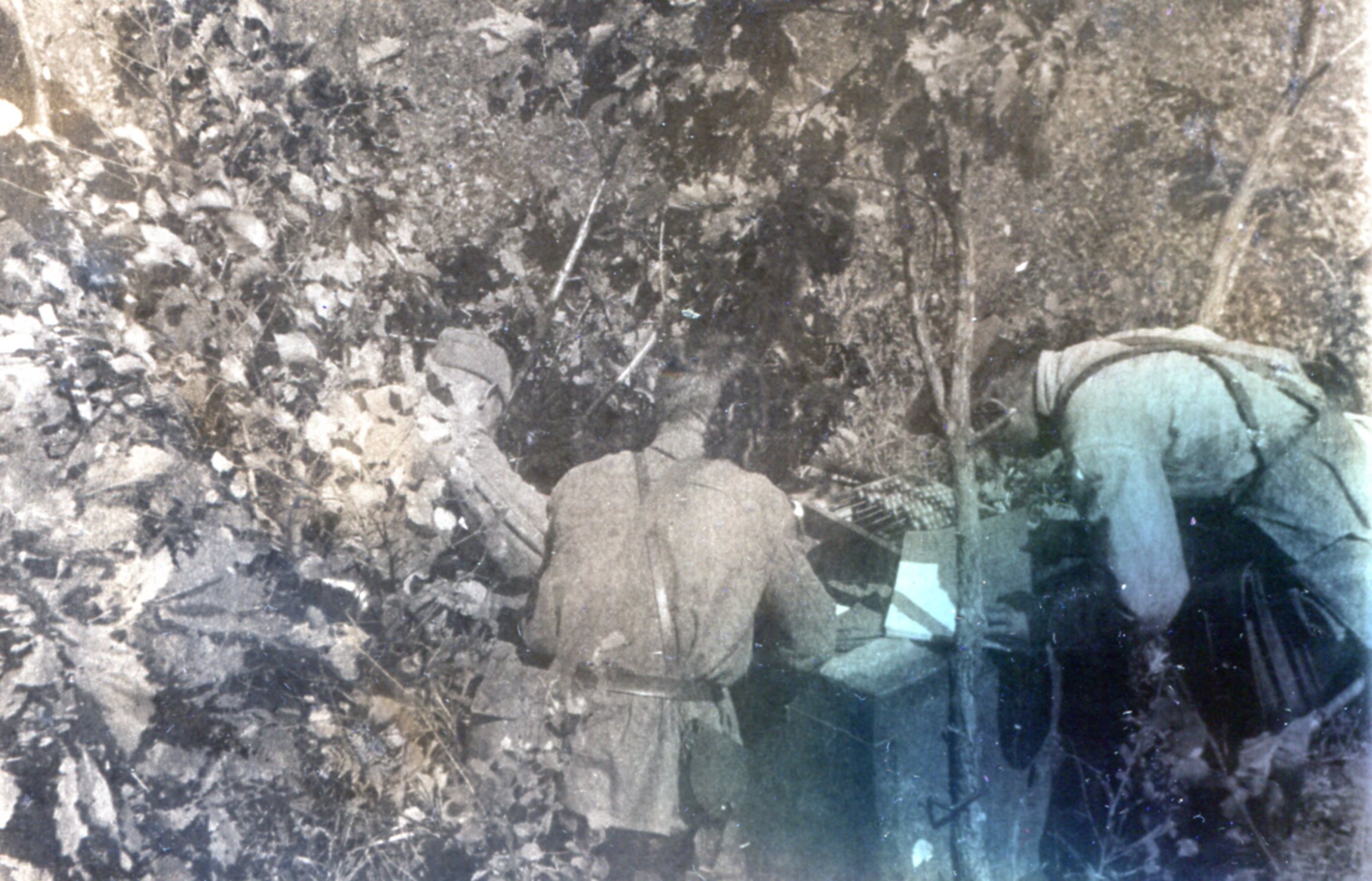
Maksyutenko directing artillery fire with military precision
-
Life-Saving Heroism:
Successfully evacuated a wounded soldier through a minefield, advancing meter by meter with absolute precision.
This mirrors the careful, methodical approach Digital Polygraph takes to complex system migrations and critical infrastructure changes—where one wrong step can cause catastrophic failure.
1944: Choosing the Front Over Safety
When offered a prestigious General Staff position in Moscow, Lieutenant Colonel Maksyutenko submitted a different request: I ask to be sent to the front—my experience is needed there.
On September 5, 1944, he joined the 2nd Belorussian Front, choosing maximum responsibility over career safety—a decision that parallels choosing challenging, high-impact IT projects over comfortable maintenance work.
Front-Line Excellence: Precision Under Ultimate Pressure
With the 2nd Belorussian Front, Lieutenant Colonel Maksyutenko advanced from Poland to Königsberg, demonstrating the kind of performance under pressure that modern IT crisis management demands:
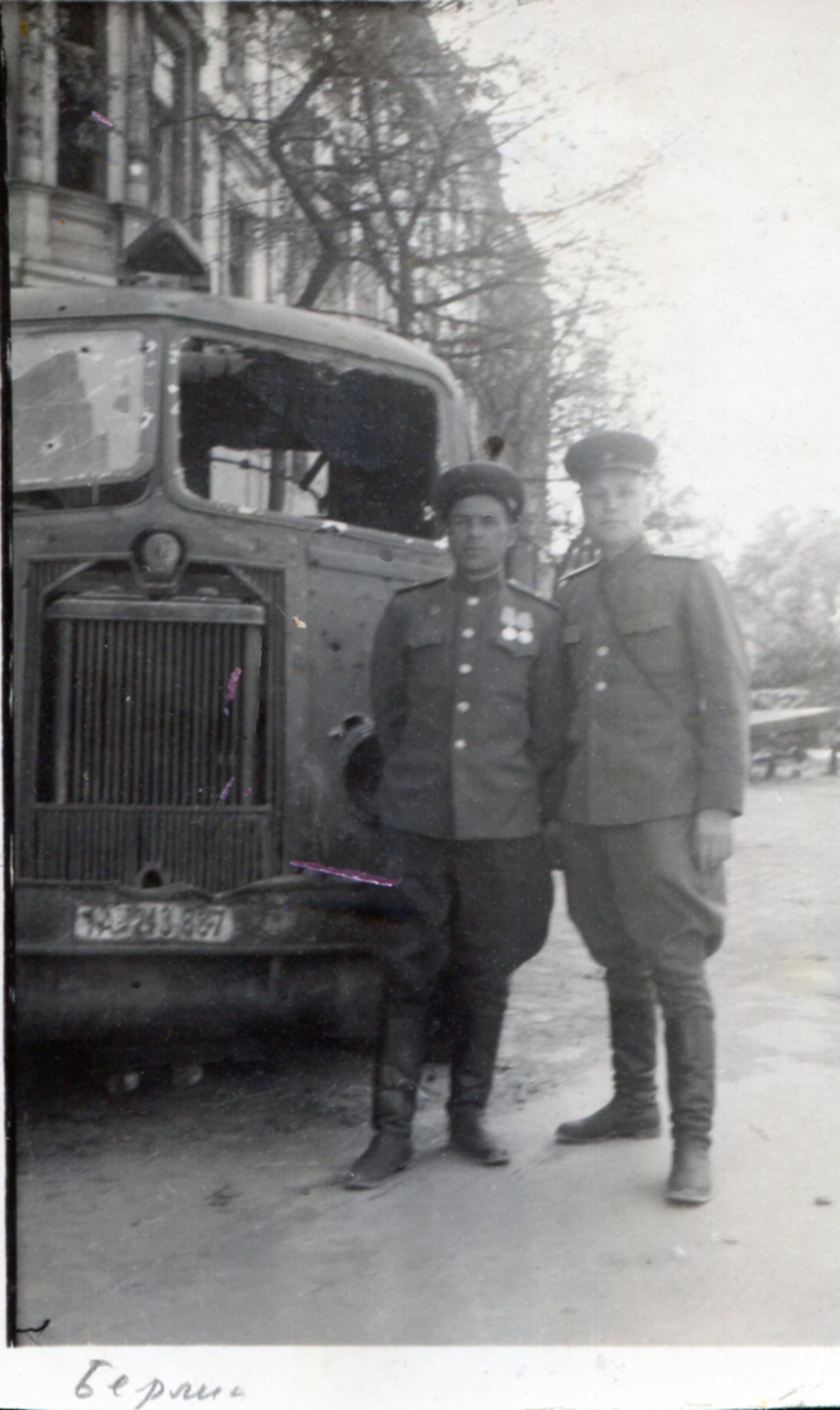
Berlin, 1945: Mission accomplished through military precision
- Rapid Advancement: Promoted to head of the 3rd Division of the Topographic Department within just 2.5 months—recognition of exceptional competence under pressure.
-
Mission-Critical Infrastructure:
"…ensured the continuous production of combat graphic documents…"
In modern terms: DevOps engineering for warfare—maintaining critical information systems under extreme conditions. - Recognition for Excellence: Awarded the Medal "For Battle Merit" on November 3, 1944, and the Order of the Red Star on April 5, 1945—just 35 days before Germany's surrender.
- Resilience Under Adversity: Survived a severe car accident and returned to duty, demonstrating the kind of professional dedication that keeps critical systems operational despite obstacles.
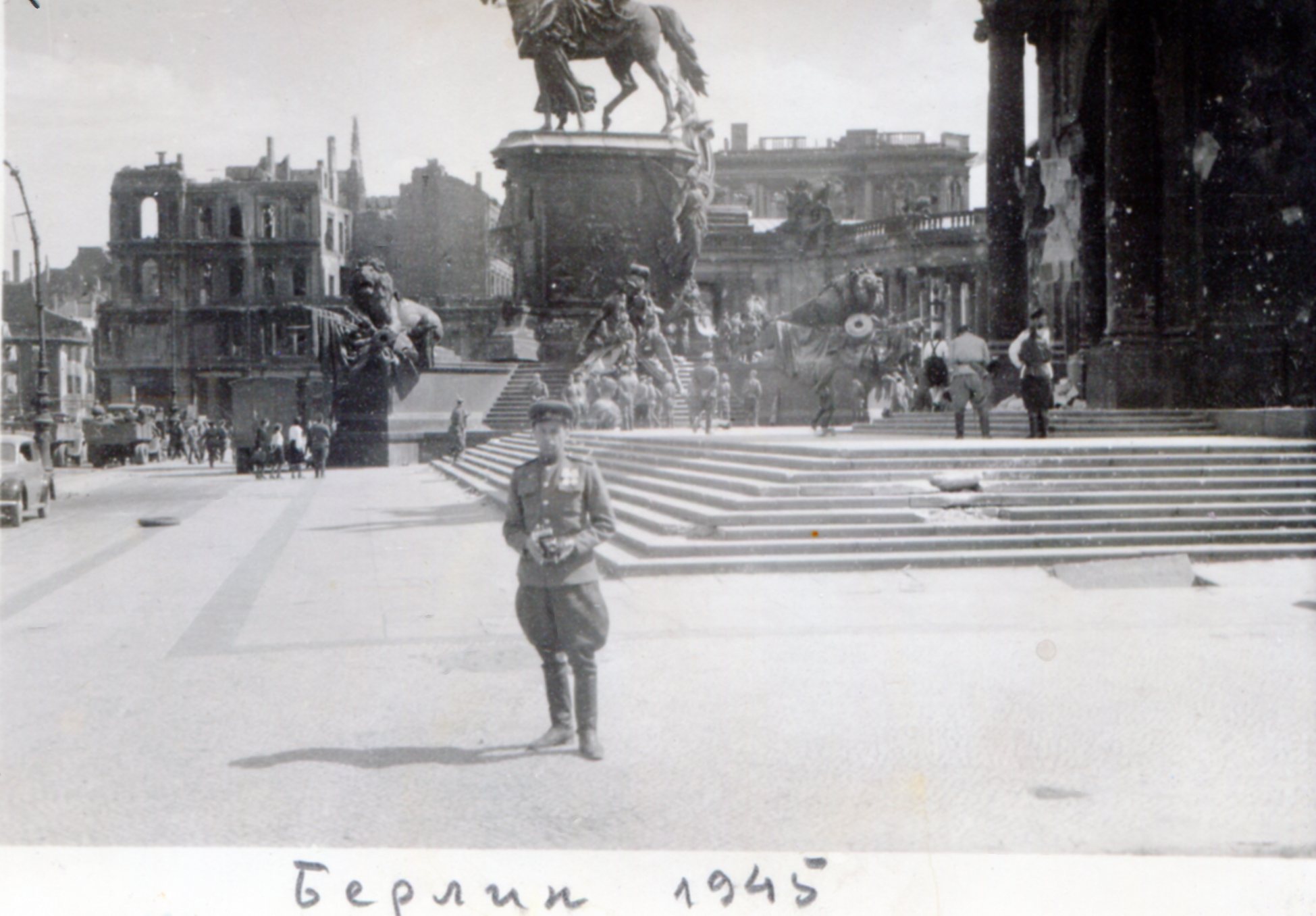
Berlin, May 1945: Victory through precision and professional excellence
Post-War Integrity: Principles Over Politics
After the war, Lieutenant Colonel Maksyutenko taught at a military academy. During Khrushchev's military downsizing, when offered to "draw straws" for position retention, he responded with characteristic integrity: I don't gamble my fate on matches.
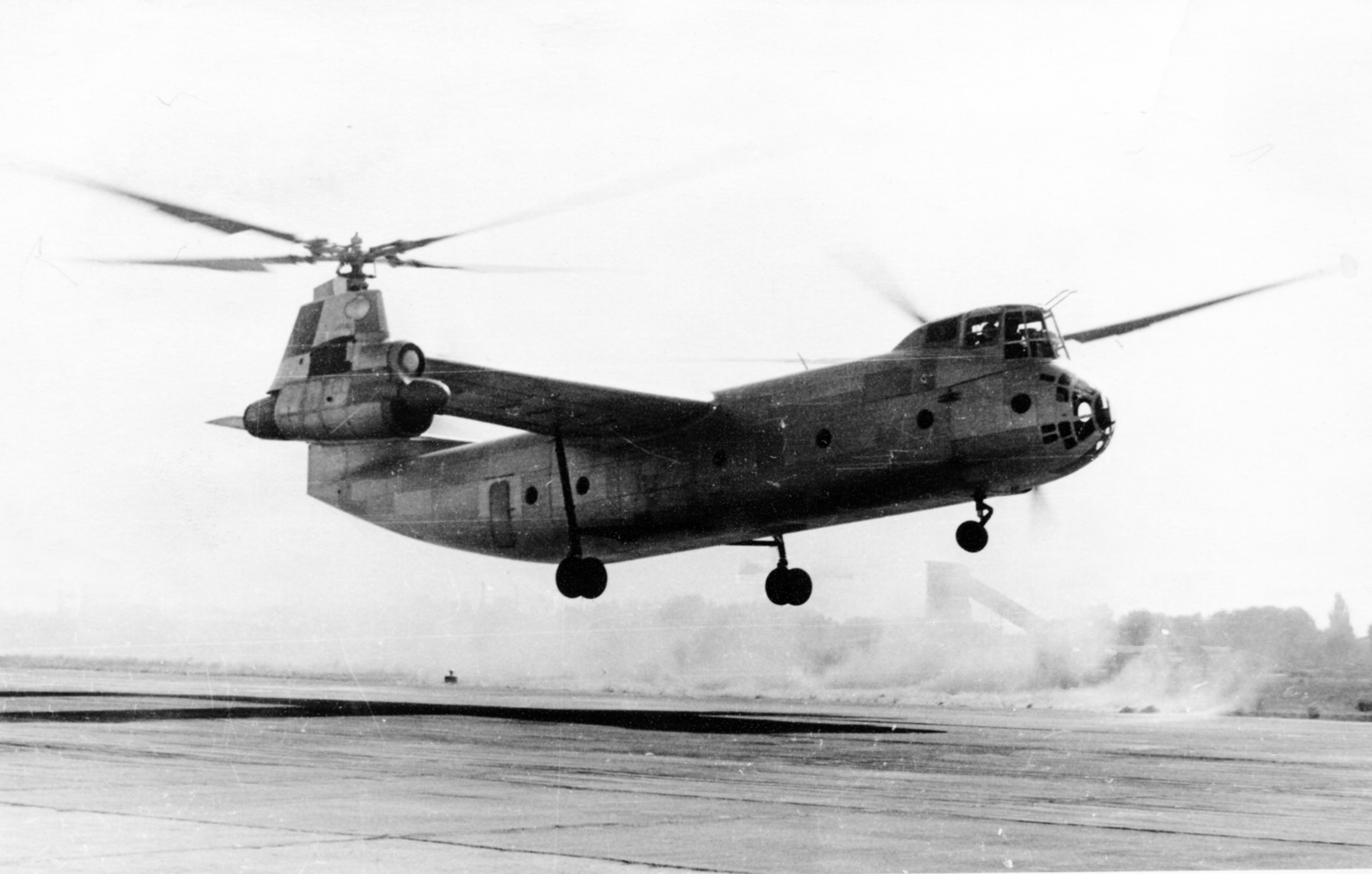
Ka-22 rotorcraft testing, 1962: Innovation built on precision
After losing his test pilot son-in-law in a Ka-22 accident, he raised his grandson with the same values that guided his military service: precision, responsibility, and the courage to take calculated risks for others' benefit.

Passing on values: Lieutenant Colonel Maksyutenko with his grandson
From Military Maps to IT Project Estimation
Building modern software systems, I constantly recall my grandfather's approach to precision under pressure. The gap between guesswork and professional judgment. The responsibility of making accurate assessments when others depend on your expertise.
True precision isn't about having perfect information—it's about making the most accurate assessment possible with available data, while taking full responsibility for the consequences.

Learning values early: Six years old, wearing the traditional Ukrainian vyshyvanka.
My grandfather taught me that heritage means responsibility—to honor the past by excelling in the present.
The Professional Legacy: Precision as a Standard
Lieutenant Colonel Eugene Ivanovich Maksyutenko's motto—"Act with initiative. Execute with quality."—remains the foundation of professional excellence that shapes Digital Polygraph's approach to every IT project estimation.
When accuracy determines success or failure, professional responsibility becomes personal integrity.
This is the standard Digital Polygraph brings to every project estimation.
Military-Grade IT Project Estimation
"In war, as in software development, approximate calculations cost lives—of projects and reputations."
Our project complexity calculator applies Lieutenant Colonel Maksyutenko's principles to your IT initiatives:
Artillery-Grade Accuracy
Precision calculations based on 4 key parameters
Front-Line Tested
Methodology proven on complex engagements
No Guesswork
Data-driven assessment, not optimistic guesses
Full Responsibility
Standards you can trust your project to
Command your project's success with military-grade precision:
Launch Estimation Briefing →"In war, accurate maps saved lives. In tech, accurate estimates protect teams and budgets."
The Heritage of Excellence
His topographic instruments rest in my office now, a reminder that standards change, but professional responsibility remains timeless.
Tools witness precision when systems demand accuracy.
The same commitment to precision and professional responsibility lives in every Digital Polygraph IT solution.