Lunch with a Leader

A Family Story of Dignity in Post-War Ukraine

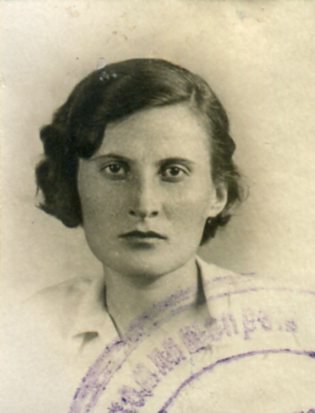
Maria Vasilyevna Nikolaieva - Chief Technologist at Sugar Factory
Grandmother Maria Vasilyevna Nikolaeva (Pustovit) — Chief Technologist at the Sugar Factory, Beltsy.

A note for American readers:

This story isn't about politics or ideology. It's about a moment when a human being chose kindness over indifference. The fact that this person later became a controversial political figure doesn't diminish the weight of that single act of recognition. Sometimes the most important lessons come from the most unexpected sources.

Context: Leonid I. Brezhnev (1906–1982) later became the long-time leader of the Soviet Union. But in 1950–1952, he served as First Secretary of the Moldavian Communist Party — a regional position, far from the Kremlin's spotlight. This story takes place in that lesser-known period, amidst widespread scarcity and post-war reconstruction.

A curious twist of fate:

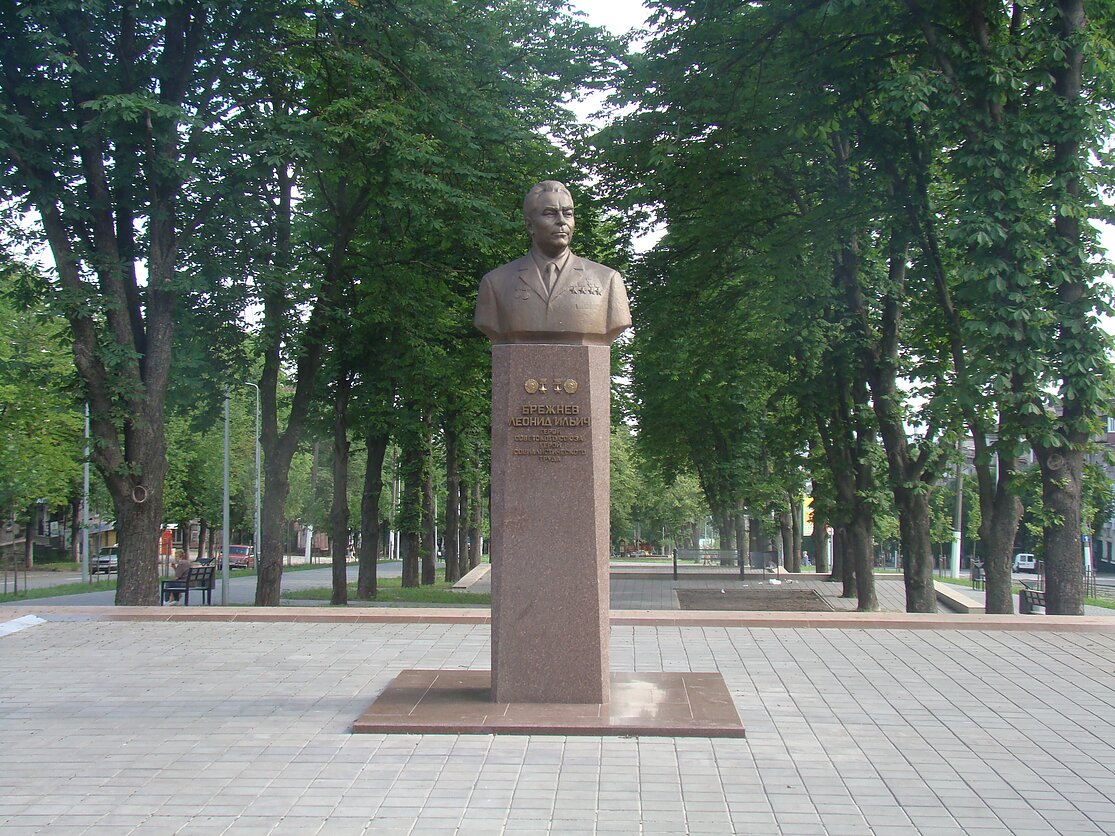
Decades later, I would grow up in the same city where Brezhnev was born — Dniprodzerzhynsk (now Kamianske). The same streets, the same river, the same industrial landscape that shaped both our childhoods. Sometimes history connects us in ways we never expect.

Post-War Daily Life

It was the early 1950s. My grandmother, Maria Vasilyevna, a slender and stubbornly hardworking woman, was the chief technologist at a sugar factory in Bălți, Moldova.

Back then, people said: "We weren't living for luxury" — the country survived on relentless labor and meager provisions. Food wasn't just sustenance; it was a symbol of survival. A rare treat. A longed-for miracle.


An Unexpected Invitation

One day, she was summoned to Chișinău, to the Central Committee building. The meeting was led by Leonid Ilyich Brezhnev, then First Secretary of Moldavia. After a long session, the group broke for lunch.

Brezhnev suddenly turned to her:

> "Maria Vasilyevna, join us."

No protocols. No ceremonies. Just a man who saw someone else's effort — and chose to acknowledge it.


Lunch at the Central Committee Canteen

A shared meal was already a sign of immense respect. For a female technologist from the provinces, such gestures were completely outside the norms.

But the most important part came after the meal:

> "Let us pack some food for you. Treat your husband and son."

They handed her a carefully wrapped parcel. In an era of total scarcity, this was more than food. It was recognition. It was dignity. It was a sudden, unexpected gift from the system that usually gave nothing back.


Silence at Home

That evening, my grandmother unpacked the feast. Her husband and sixteen-year-old son — my father — stared at the dishes like pages from The Book of Tasty and Healthy Food — a famous Soviet cookbook that for many was more fantasy than reality.

My father looked at the spread of food. Then something broke inside him.

He started crying.

Not from hunger. Not from joy. But from the shock of seeing abundance when scarcity had been his entire reality. At sixteen, he understood something adults often miss: this wasn't just dinner. This was proof that someone, somewhere, had seen his mother's worth.

The family sat down at the table only after darkness had fallen, when distrust was replaced by gratitude.


Why This Story Matters

Whatever your view of Brezhnev as a political figure, this story is about one thing:

> How a single act of kindness can define dignity for generations.

It reminds us: even in rigid systems, there remains space for humanity. Even under ideology, a person can still be seen.

This is the core truth behind Digital Polygraph.

In a world of complex systems — whether in code or command — it is these unexpected features, acts of genuine human connection, that change the rules of the game. Not because they're written into algorithms. But because they carry something no machine can simulate:

Respect.

The Lesson That Survived Time

One life was changed by a simple gesture: a leader saw a worker. And instead of turning away, he acted.

This story lives in me. It lives in Digital Polygraph. Because if you forget the weight of human dignity — you will miss the cost of silence.

Digital Polygraph exists to name what others ignore. To find what hides between lines. To speak where systems fall silent.

Because code doesn't lie. People do.

🥘

Precision-Served Project Estimation

Like that historic meal measured human dignity, our calculator blends four essential ingredients of technical labor:

1
Functionality Scope depth and system capabilities
2
Complexity Architectural challenges & integrations
3
Novelty Uncharted tech territory for team
4
Reuse Leveraging existing solutions
Nikolaiev Family Crest Three generations of engineers agree: True estimation respects all dimensions of labor
Calculate with Human Precision →

Optimize team composition • Forecast realistic timelines • Deliver with dignity

Where History Stands

Brezhnev Monument in Kamianske, Ukraine
A monument in Kamianske (formerly Dniprodzerzhynsk), Ukraine — where both the author and the leader from this story spent their childhoods, decades apart.

In Ukraine, twice Heroes of the Soviet Union are commemorated with monuments. This one stands not as a political statement, but as a reminder that history is always more complex than our current perspectives allow. The same streets that witnessed one person's rise to power also shaped the childhood of someone telling this story today.

Geography doesn't choose sides. It simply witnesses.